If you've spent any time looking into women's health, endometriosis or general wellbeing, you've probably come across the term anti-inflammatory diet.
It's something we hear about constantly, particularly on social media. Eat this, avoid that, cut out gluten, stop eating dairy... before you know it, something that's supposed to help you feel better starts to feel incredibly overwhelming.
But anti-inflammatory eating doesn't have to be complicated, expensive or restrictive. And it certainly doesn't mean you can never enjoy a slice of cake again!
As someone living with endometriosis and PMOS (formerly PCOS), I've spent the last six years learning how to better support my body. Nutrition has become a huge interest of mine, both personally and throughout my health coaching training.
Although, I definitely didn't start out knowing what I was doing!
When I first started looking into ways to support my health, I was following practically every fad diet I came across online. Cutting out different foods, trying the latest trends and hoping something would finally make a difference. Looking back, I wasn't seeing any real improvements, and I was probably doing more harm than good by constantly restricting myself.
One of my biggest inspirations has been Sophie Richards' book, The Anti-Inflammatory 30-Day Reset. It's encouraged me to think differently about food and how small, realistic changes can become part of everyday life.
So, let's talk about what anti-inflammatory eating actually means!
First things first, what is inflammation?
Inflammation isn't always a bad thing! It's a normal part of how our immune system protects and repairs the body.
The problem can arise when inflammation becomes persistent. Chronic inflammation has been linked to a range of health conditions, and inflammatory processes also play an important role in endometriosis.
But inflammation is complex, and it isn't something we can simply switch off by eating a handful of blueberries!
Our health is influenced by lots of things, including sleep, stress, movement, medical conditions and nutrition.
What does anti-inflammatory eating look like?
Despite what social media might tell you, there isn't one perfect anti-inflammatory diet.
Instead, it's about focusing on a variety of nutritious foods that support our overall health.
Some of my favourites to include are:
Omega-3 fatty acids: Oily fish, walnuts, chia seeds and flaxseeds.
Colourful fruit and vegetables: Providing vitamins, minerals and antioxidants.
Fibre-rich foods: Oats, beans, lentils and whole grains.
Healthy fats: Extra virgin olive oil, nuts and seeds.
Herbs and spices: Such as ginger and turmeric.
One thing I always encourage is thinking about what we can add to our diets, rather than everything we supposedly need to remove.
It might be adding some vegetables to your favourite pasta dish, berries to your breakfast or trying a new homemade soup recipe.
Nothing particularly fancy, just small changes that work for you.
What about endometriosis and PMOS?
This is where anti-inflammatory eating becomes particularly interesting to me.
Endometriosis involves inflammatory processes, while PMOS can be associated with insulin resistance and metabolic health challenges.
Although research into nutrition and endometriosis is still developing, eating a varied, balanced diet can support our general health and wellbeing.
But here's something I think is really important: what works for one woman might not work for another.
Having a diagnosis doesn't automatically mean you need to eliminate gluten, dairy or entire food groups.
Finding what works for me
Over the last six years, I've tried cutting out dairy, gluten, red meat and various other foods, hoping to understand what might help me feel better.
Some changes suited me more than others, but I've learnt that being overly restrictive isn't always the answer.
These days, I love cooking homemade meals, experimenting with ingredients and finding ways to nourish my body. But I also enjoy meals out, treats and not having to think about every single thing I eat!
For me, it's about balance, not perfection. And that's exactly the approach I want other women to feel comfortable taking too.
Where should you start?
If you're interested in introducing more anti-inflammatory foods into your routine, please don't feel you need to change everything overnight.
Start with one or two small things. Maybe it's adding more colour to your meals, including healthy fats or trying a new recipe each week.
The goal isn't to follow a perfect diet for 30 days and then go back to your old habits. It's about creating realistic changes that you can enjoy and maintain long-term.
As a health coach, I love helping women explore their nutrition, routines and overall wellbeing in a way that works for their individual lives.
If you're feeling unsure where to begin, you can book a free 30-minute consultation through my website at www.ashleightylerhealth.com.
Remember, looking after your health doesn't have to mean doing everything perfectly. Sometimes the smallest changes are the best place to start.
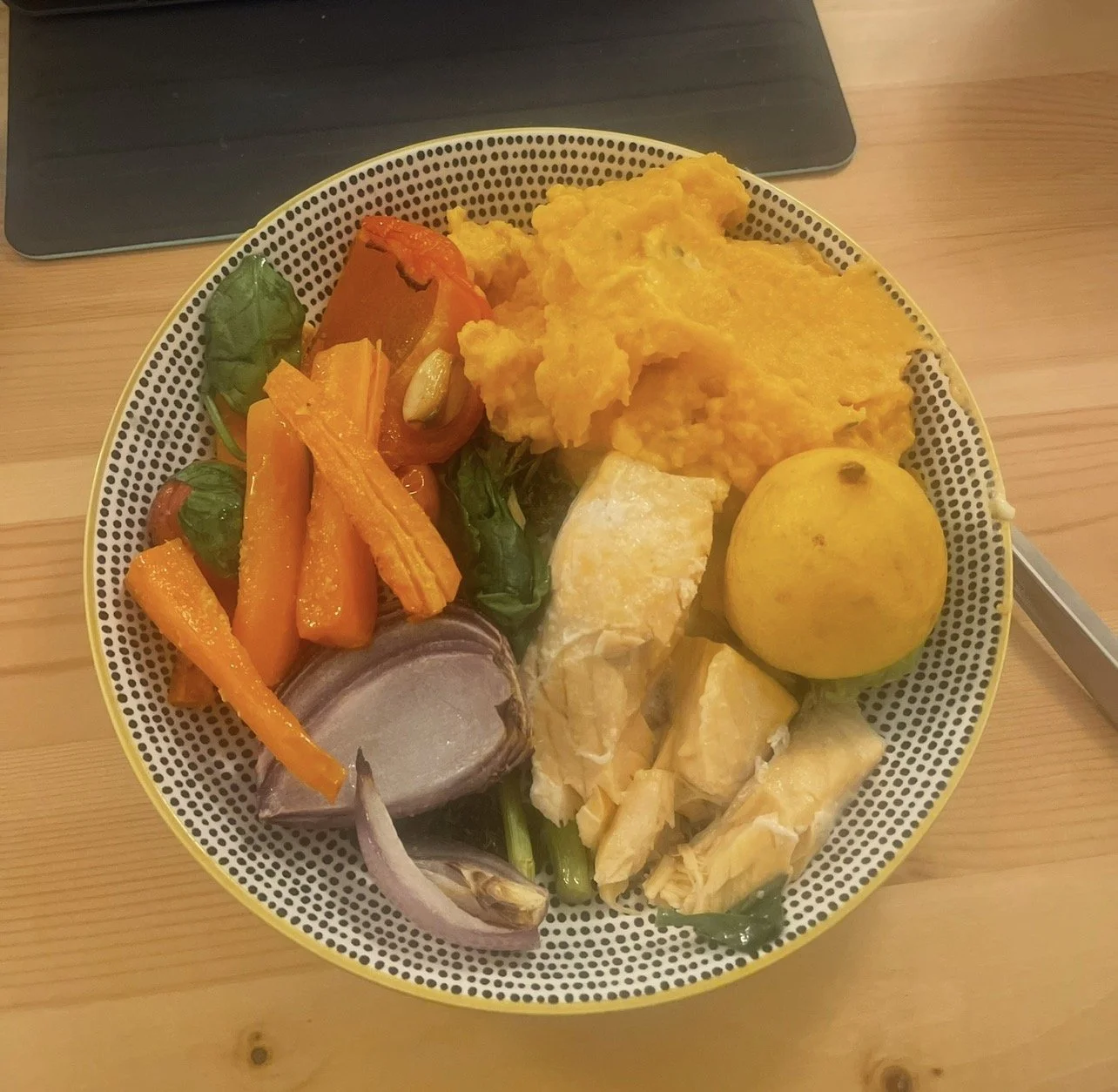
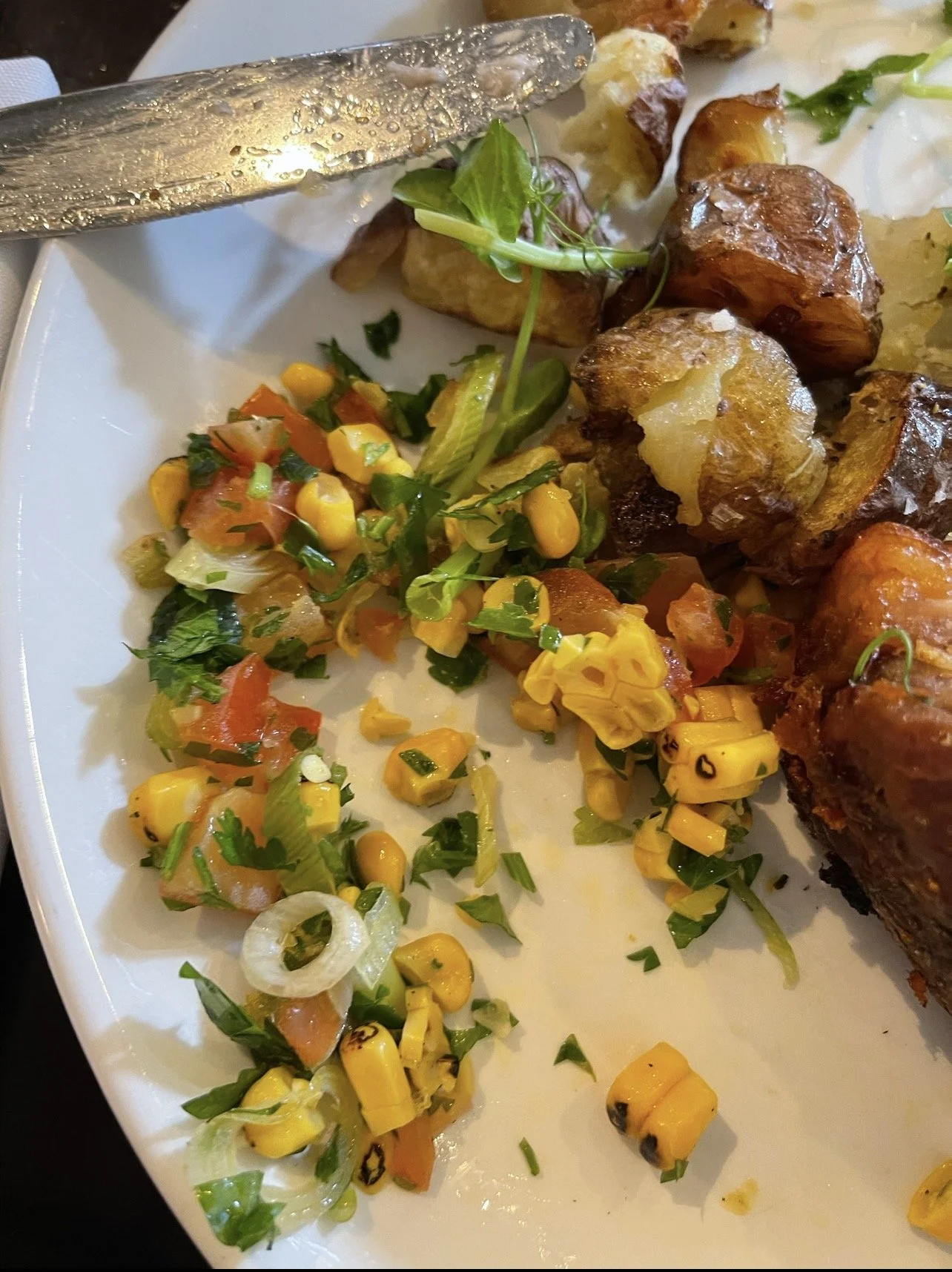
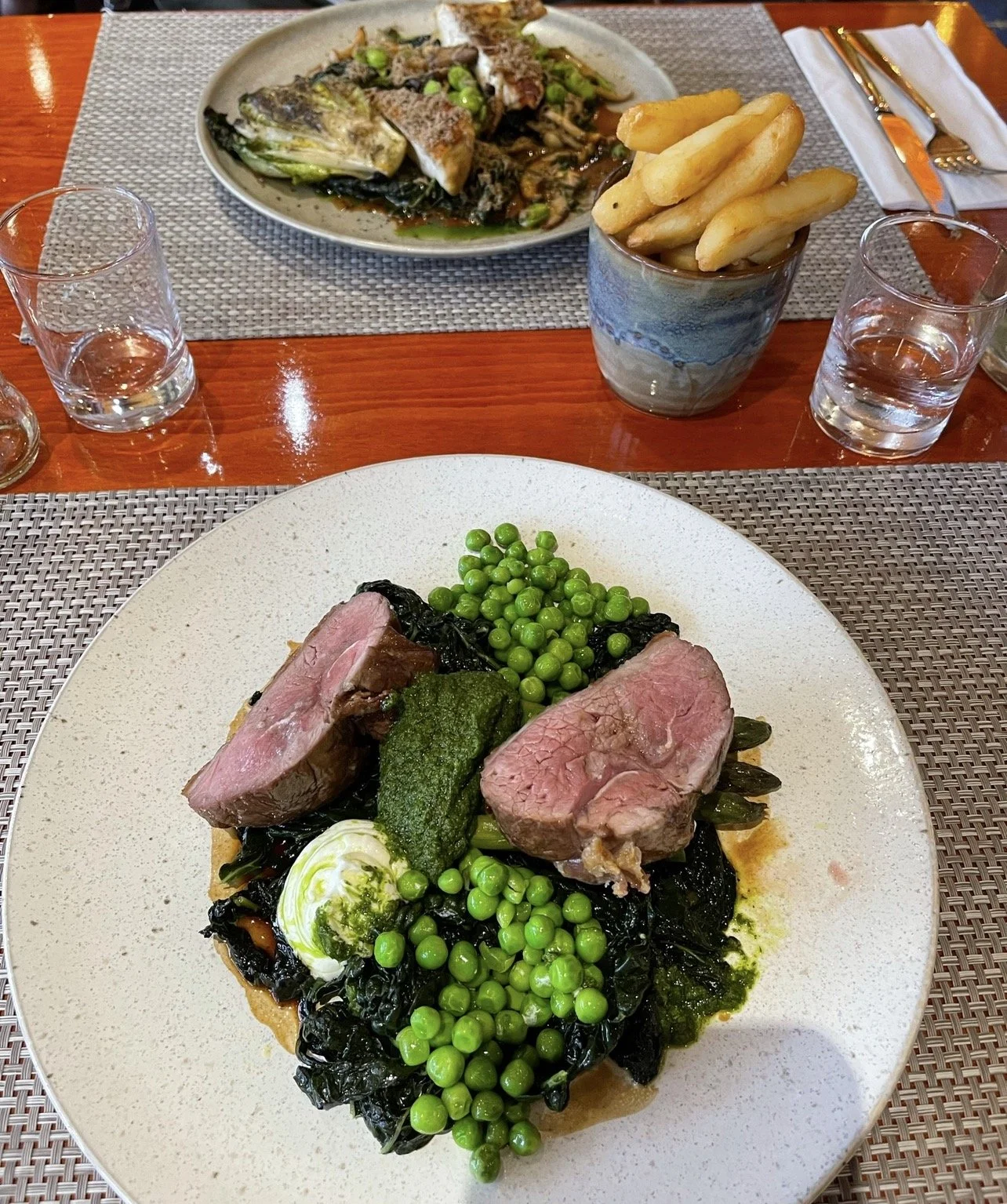
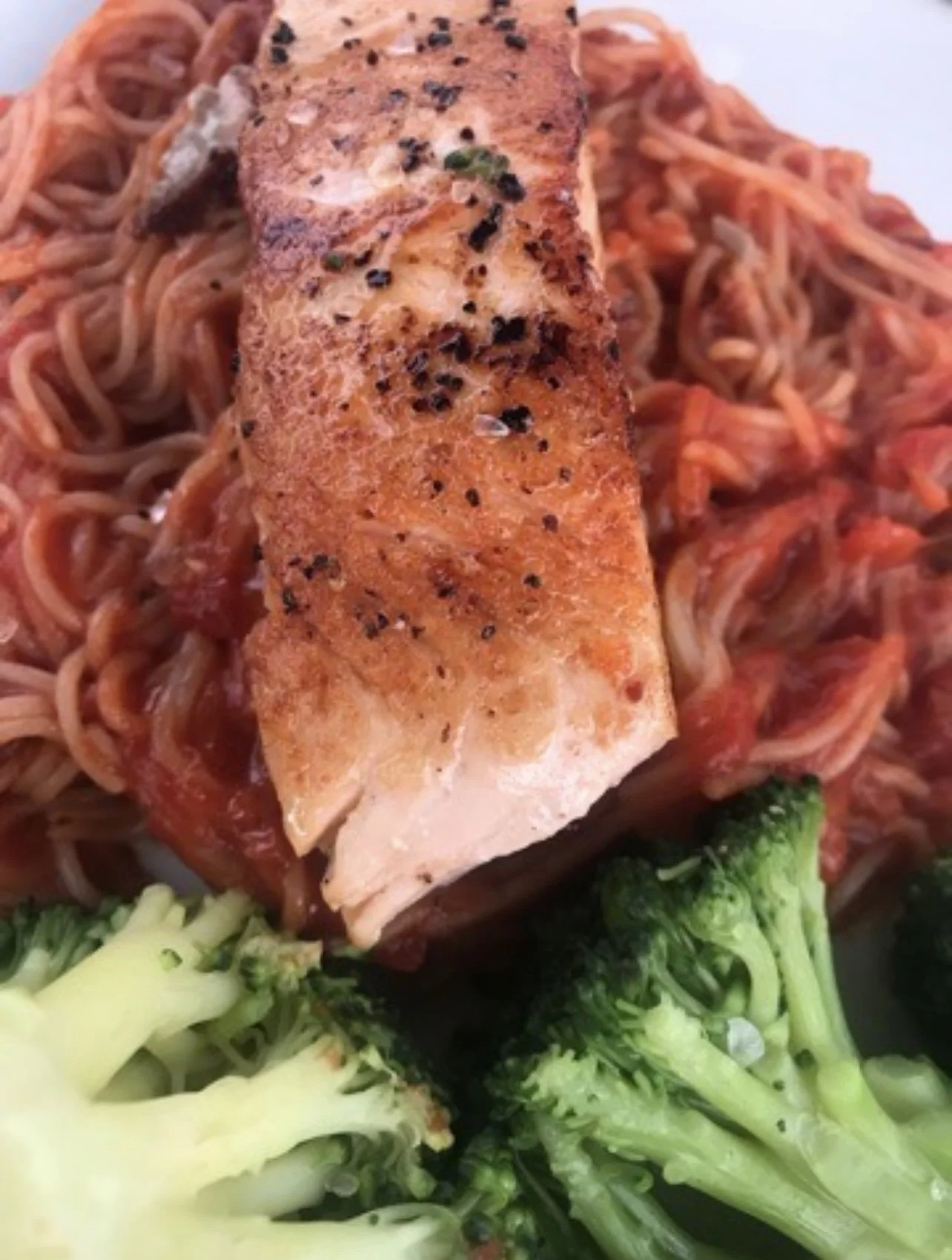
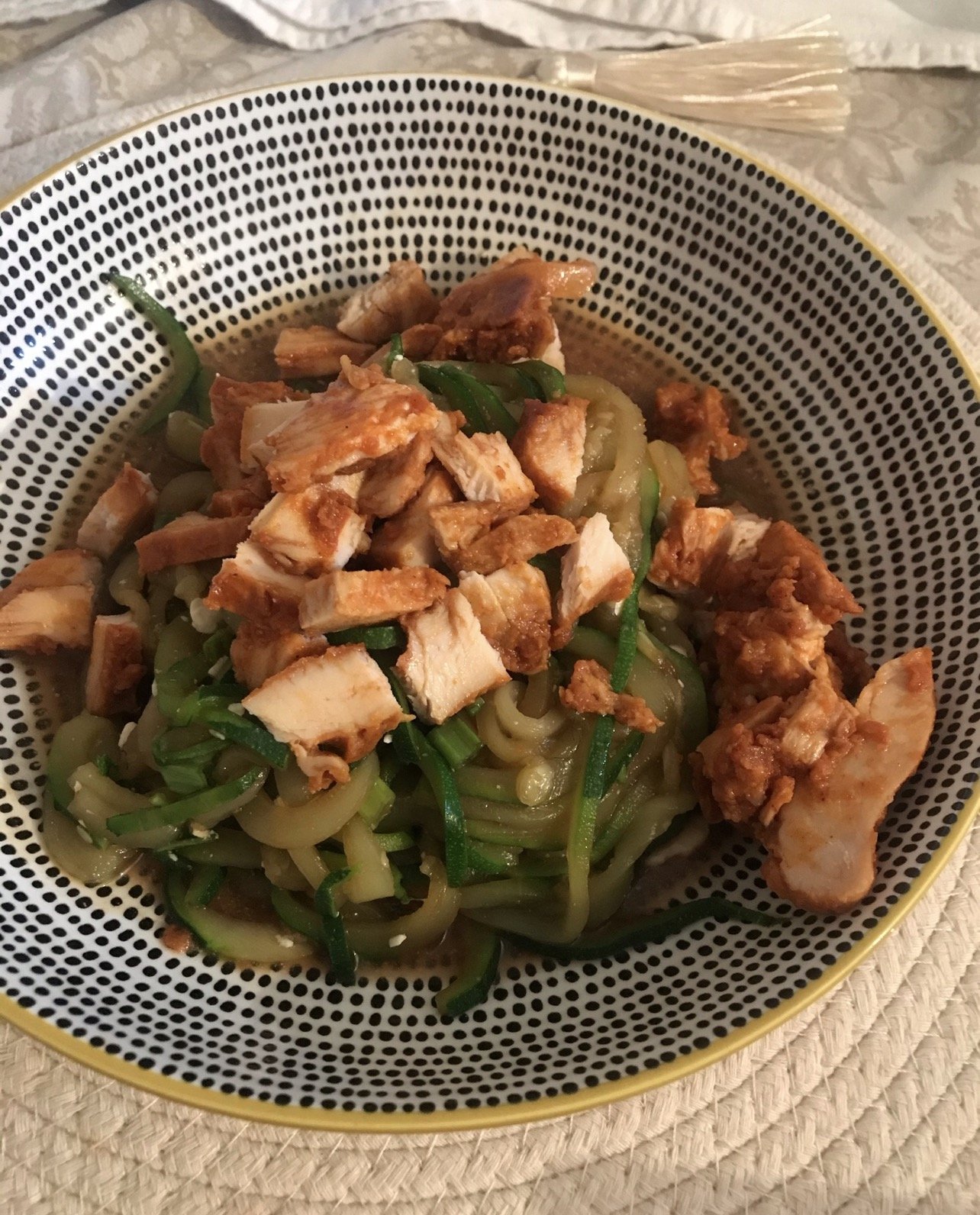
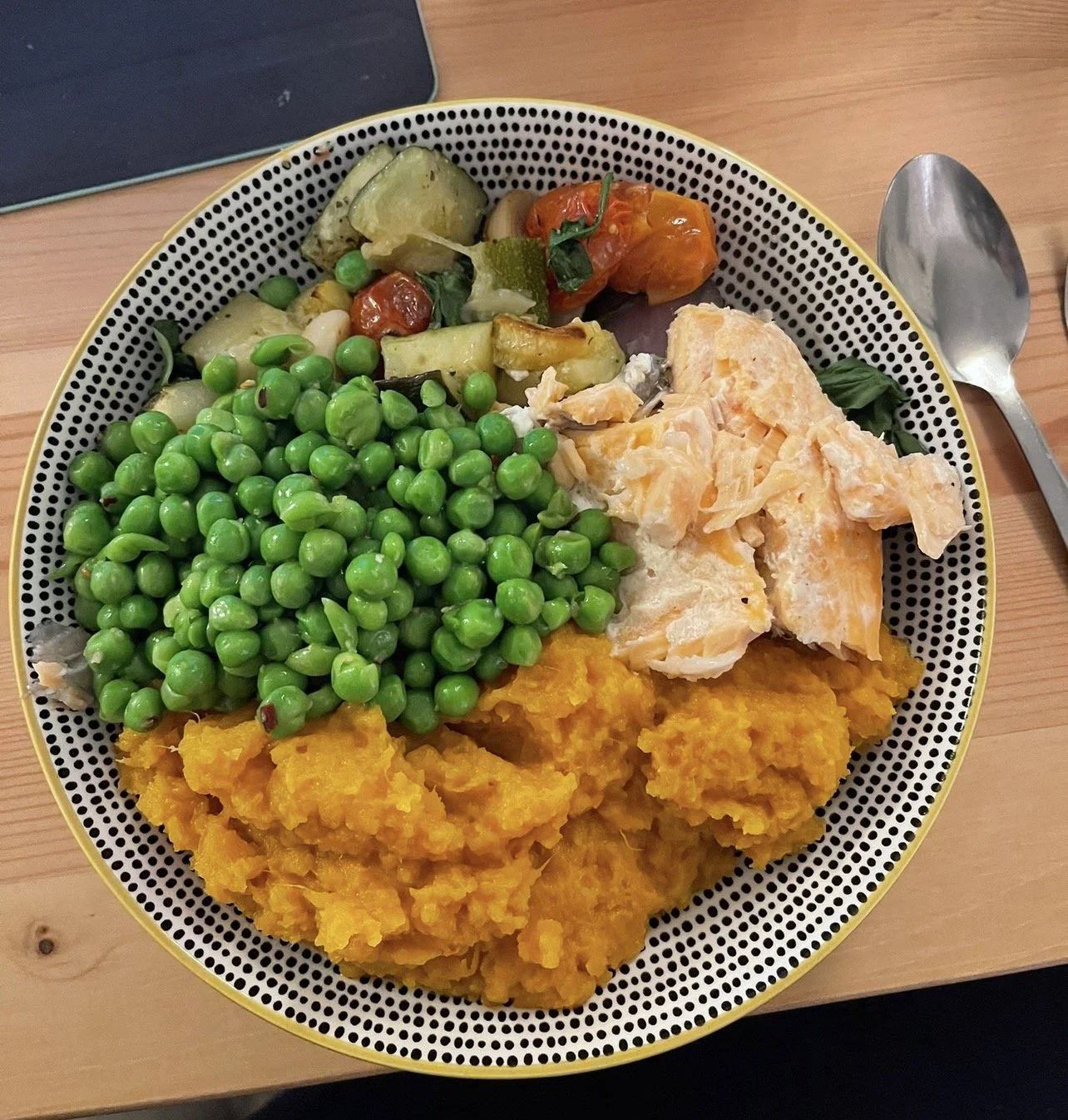
A little food inspiration from my camera roll!
I thought I'd finish by sharing a few photos straight from my camera roll. A mixture of homemade meals, experimenting in the kitchen and a couple of lovely meals out!
This blog is for general education and wellbeing support and isn't a replacement for medical advice or treatment. Always speak with your GP or relevant healthcare professional about managing existing health conditions.